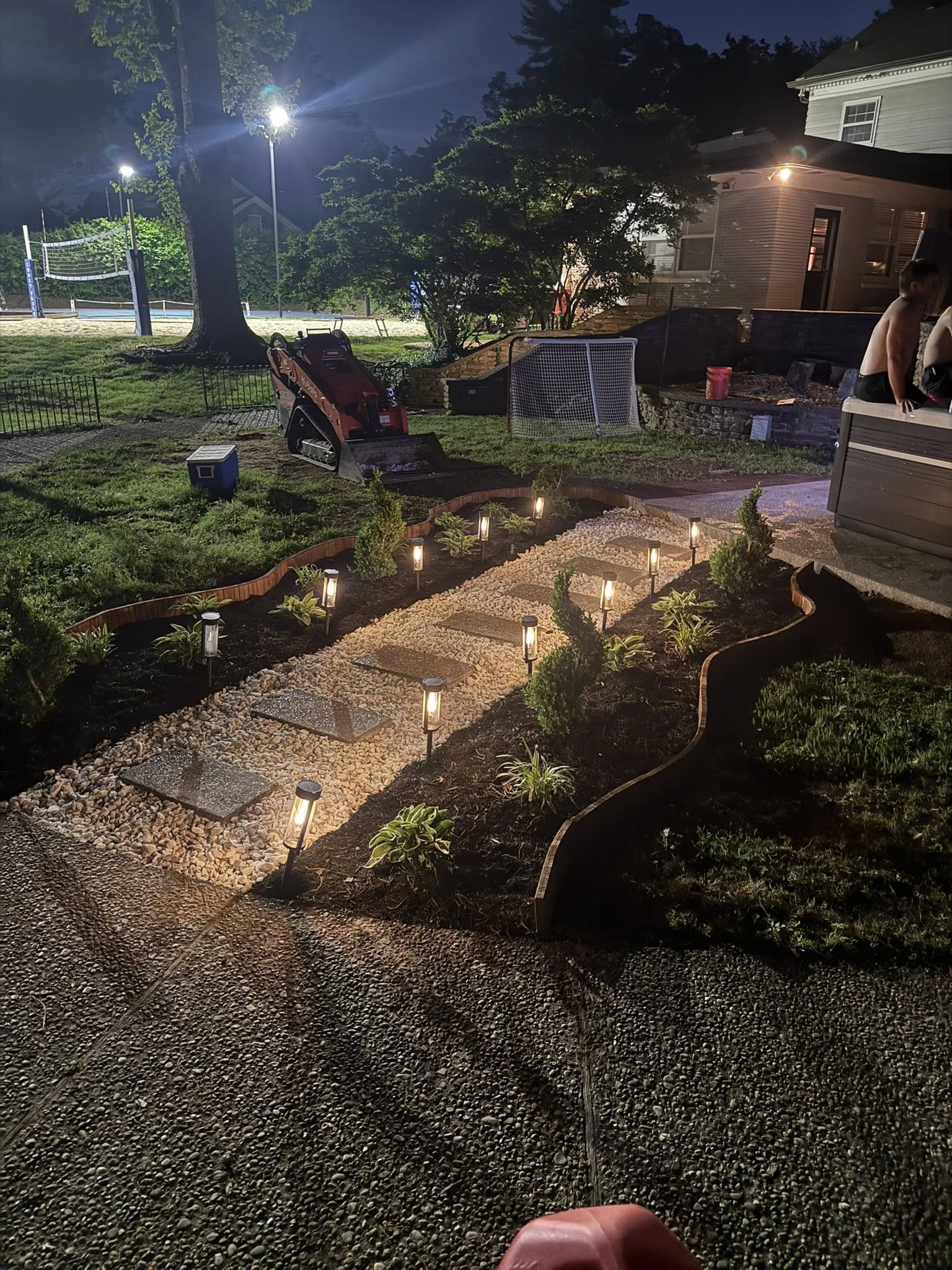
Weather Impact on Louisville Yards & Landscaping
Landscaping, Louisville Kentucky, Southern Indiana, Drainage, Summer Weather
How Louisville, KY Weather Affects Your Yard (and How Landscaping Helps Protect Your Home)
If you live in Louisville, Kentucky, or Southern Indiana, you already know how quickly the weather can flip. One week it’s heavy rain and summer storms, the next it’s blazing heat and dry soil. Those changing conditions don’t just make it uncomfortable to be outside—they can quietly damage your yard, landscaping and even the areas around your home’s foundation if they’re not managed the right way. In this guide, we’ll walk through what local homeowners should watch for, how professional landscaping and drainage solutions help, and simple steps you can take to protect your property between storms and heat waves.
How Louisville and Southern Indiana Weather Impacts Your Property
Our region sits in a spot where we get a little bit of everything—intense thunderstorms, long stretches of humidity, hard downpours, and stretches of high summer temperatures. All of that puts extra stress on your yard, landscaping and outdoor structures. Here’s how each type of weather can affect a typical residential property in the Louisville metro and across Southern Indiana:
Heavy rain: Sudden downpours can overwhelm poor yard drainage, send water toward your foundation and wash away topsoil and mulch. Over time, that can lead to soil erosion, low spots and soggy areas that never really dry out.
Summer storms: Strong storms often combine heavy rain with wind. That can push water into places it normally doesn’t go, loosen retaining walls, shift pavers and cause runoff to carve channels through your yard or beds.
High temperatures and heat waves: Once the rain stops and the heat kicks in, the top layer of soil can bake and crack. Lawns get stressed, shallow roots suffer, and plants that just dealt with standing water suddenly face drought-like conditions. That cycle is tough on turf and landscaping in the Ohio River Valley.
Rapid weather changes: Going from soaked to scorched in a few days doesn’t give your yard much time to recover. Poor grading, weak drainage and outdated irrigation become very noticeable when the weather keeps swinging back and forth.
None of this means your property is doomed. It just means Louisville and Southern Indiana homeowners need to pay attention to the warning signs and think about landscaping and drainage as part of protecting their home—not just making it look nice.
Warning Signs to Watch for After Heavy Rain or Storms
After a storm, it’s easy to walk back inside once the rain stops and forget about the yard. But a quick look around your property can reveal issues that are starting to develop. Here are the key red flags homeowners in our area should keep an eye on:
1. Standing water and poor yard drainage
Puddles that linger for more than a day or two
Soft, squishy spots in the lawn long after the rain ends
Water pooling near downspouts, low areas or fence lines
Persistent standing water is a sign that your yard isn’t draining correctly. Over time, that can suffocate grass roots, invite mosquitoes and encourage water to move toward your home or garage instead of away from it.
2. Soil erosion and washed-out mulch
Bare spots where topsoil has washed away on slopes or along driveways
Mulch pushed into piles at the bottom of a bed or up against a sidewalk
Exposed roots around trees, shrubs or flower beds
Erosion doesn’t just look messy. It slowly changes the grading of your yard, creates channels for water to follow and can destabilize nearby walkways, patios or retaining walls if it’s not addressed early.
3. Damaged lawns and uneven grading
Yellowing or thinning grass in areas that stay wet
Ruts or low spots where water collects or mower tires sink
Noticeable slopes directing water toward the house instead of away
Uneven grading is a common issue in older Louisville neighborhoods and newer subdivisions alike. When the ground settles or erodes, it can change how water moves across your property and increase the risk of water problems around the foundation.
4. Stressed plants and landscaping beds
Plants with drooping, yellowing or spotted leaves after a storm
Shrubs that look wilted during afternoon heat despite regular watering
Beds that stay soggy or crack and pull away from edging when it dries out
These are signs that your plants are under stress from too much water, not enough water, or both in quick succession. Over time, that can lead to plant loss and wasted landscaping investments.
5. Unstable retaining walls and shifting hardscapes
Retaining walls that lean, bow outward or develop new cracks
Pavers that rock underfoot, settle or develop gaps after storms
Soil washing out from behind walls or under patios and steps
Retaining walls and hardscapes are only as stable as the soil and drainage around them. Extra water pressure from poor drainage can push on these structures and cause them to move, crack or fail over time.
6. Water collecting near patios, walkways or your foundation
Water that consistently pools against the edge of a patio or sidewalk
Dark, damp lines along the base of your home after every storm
Soil that’s pulling away from the foundation during hot, dry spells
This is one of the most important areas to watch. Water that collects near patios, walkways or the foundation can eventually find its way into basements, crawl spaces or under slabs, leading to more expensive repairs down the road.
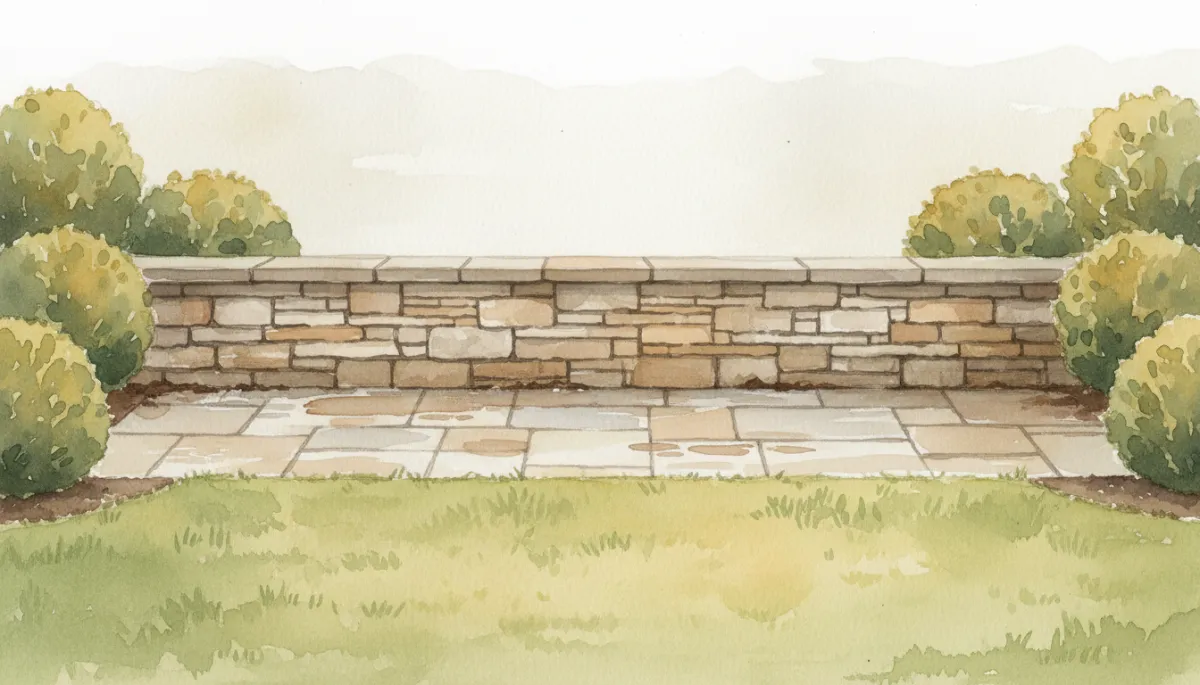
Small signs of erosion or pooling water often point to bigger drainage issues.
How Professional Landscaping and Drainage Help Protect Your Property
The good news is that you’re not stuck with the yard you have today. Thoughtful landscaping, grading, drainage solutions, irrigation and well-built hardscapes can work together to move water where it should go, protect your soil and keep your outdoor spaces more usable through Louisville’s changing weather. Here’s how each piece helps.
Smarter grading to guide water away from your home
Proper grading is the foundation of a healthy yard. A professional landscaper can re-shape the ground so it gently slopes away from your home, patios and walkways. That might mean adding soil, creating swales (shallow channels that guide water) or smoothing out low spots that hold water after every storm.
Reduces standing water and soggy areas
Helps protect your foundation and concrete from constant moisture
Creates a better base for lawns, beds and hardscapes
Drainage solutions that actually move water
In our area, it’s common to need more than grading alone. Depending on your property, a combination of drainage solutions can make a big difference:
French drains to collect and redirect water away from low spots or foundations
Catch basins and yard drains to capture runoff from downspouts, driveways and patios
Downspout extensions and buried piping to carry roof water farther out into the yard
When these systems are designed and installed correctly, they help control where water goes during heavy rain, which protects your lawn, beds, retaining walls and the areas around your home.
Irrigation that supports plants through extreme summer heat
After the storms pass, summer heat can be just as hard on your yard. An efficient irrigation system helps your lawn and plants handle those stretches of high temperatures without wasting water or over-soaking the soil.
Timed watering early in the morning reduces evaporation and disease risk
Drip irrigation delivers water directly to plant roots, keeping foliage drier
Zoned systems can treat sunny and shady areas differently based on need
When irrigation is combined with good drainage, your yard is better prepared for both heavy rain and heat waves, instead of constantly swinging from one extreme to the other.
Retaining walls and hardscaping that work with the land
Retaining walls, patios, walkways and other hardscapes do more than make your yard look finished. When they’re designed with drainage in mind, they can help control erosion, hold soil in place and create usable spaces on sloped or uneven lots common in parts of Louisville and Southern Indiana.
Properly built retaining walls include drainage behind them to relieve water pressure
Permeable pavers and well-graded patios allow water to move away instead of pooling on the surface
Steps and walkways can help direct foot traffic away from areas prone to erosion
If you’re planning a new patio or outdoor living space, it’s worth working with professionals who understand both aesthetics and the way water moves through local soils. For example, homeowners exploring hardscaping services in Louisville, KY often benefit from designs that blend attractive materials with practical drainage and grading.
Practical Steps to Take After Heavy Rain
You don’t have to wait for a major project to start protecting your property. After the next big storm, set aside a few minutes to walk your yard and take these simple steps:
Walk the perimeter of your home. Look for water pooling near the foundation, damp spots that linger and downspouts that dump water right beside the house. Temporary extensions can help until a more permanent solution is installed.
Check your lawn before mowing. Avoid mowing over saturated areas, which can create ruts and damage the turf. Give those spots time to drain or consider having a professional evaluate the grading if they never dry out.
Rake and redistribute mulch. Gently pull mulch back up the slope of beds where it has washed down. If you see bare soil, consider adding more mulch or plants with stronger root systems to hold the soil in place.
Inspect retaining walls and hardscapes. Look for new cracks, leaning sections or soil washing out from behind or underneath. Catching these issues early can help avoid more extensive repairs later.
Take photos of problem areas. If you notice recurring standing water, erosion or pooling near your foundation, take pictures after the rain. Those photos are helpful when you talk with a landscaping or drainage professional.
Simple Ways to Protect Your Yard During Extreme Summer Heat
When the heat index climbs and the sun beats down, your yard needs a different kind of attention. Here are practical tips you can use throughout a Louisville or Southern Indiana summer:
Water early, not often. Aim to water deeply in the early morning, two or three times per week, instead of a little bit every day. Deep watering encourages stronger root systems that can handle heat and dry spells better.
Adjust your irrigation schedule after storms. If we get a week of steady rain, dial back your irrigation system so you’re not overwatering. Too much water can stress plants just as much as too little, especially in humid weather.
Maintain a healthy mulch layer. Two to three inches of mulch around trees and shrubs helps keep roots cooler, reduces evaporation and protects soil from baking in the sun. Just keep mulch a few inches away from trunks and foundations.
Watch for signs of stress. Wilting in the afternoon that recovers by morning is fairly normal. Plants that stay wilted, drop leaves or develop brown edges may need a closer look at watering, soil or drainage conditions.
Limit heavy yard work during extreme heat. Aeration, dethatching and major pruning are best saved for milder weather. During heat waves, focus on gentle maintenance and keeping plants hydrated and mulched.
💡 Local Tip: Louisville’s mix of clay and compacted soils can make both drainage and summer watering tricky. A property evaluation from a local landscaping team can help you understand how your specific yard handles water and heat.
Why Work With a Local Team Like Kentuckiana Landscaping?
Every property is different, but the weather challenges in Louisville, Kentucky, and Southern Indiana are very real for all of us. That’s where a dependable local partner can help. Kentuckiana Landscaping provides landscaping, hardscaping, patios, retaining walls, drainage solutions, irrigation, grading, excavation, concrete work and complete outdoor improvements throughout the region. Our focus is simple: create outdoor spaces that look good, function well and stand up better to local weather over time.
We listen to your concerns—whether it’s standing water, a failing retaining wall, or a yard that’s hard to use or maintain.
We evaluate how water moves on your property, how the soil behaves and how existing landscaping and hardscapes are holding up.
We recommend practical solutions that fit your budget and long-term goals—rather than quick fixes that ignore the root problem.
Whether you manage a single-family home, rental property, or a local business, our goal is to provide honest guidance, clear communication and quality workmanship. We don’t believe in unnecessary work or rushed decisions. We’d rather help you make an informed choice about how to protect and improve your outdoor spaces.
Ready to See How Your Yard Handles Louisville Weather?
If you’ve noticed standing water, poor yard drainage, soil erosion, washed-out mulch, damaged lawns, uneven grading, stressed plants, unstable retaining walls or water collecting near your patios, walkways or foundation, it may be time for a closer look. You don’t have to diagnose everything on your own—that’s what local professionals are here for.
Kentuckiana Landscaping serves Louisville, Kentucky, surrounding communities and Southern Indiana with complete landscaping, grading, drainage, irrigation, retaining walls, concrete and hardscaping solutions. We’re here to help you understand what’s happening on your property and explore options to protect it before small issues turn into more expensive repairs.
📌 Next Step: Request an estimate or schedule a property evaluation with Kentuckiana Landscaping. Call (502) 685-5514 or visit KentuckianaLandscaping.com to tell us about your project and the weather challenges you’re seeing in your yard.
Conclusion: Use Landscaping to Work With Louisville Weather, Not Against It
Heavy rain, summer storms, high temperatures and fast-changing weather are simply part of life in Louisville, KY, and Southern Indiana. But they don’t have to be a constant threat to your yard or the areas around your home. By watching for early warning signs—standing water, erosion, washed-out mulch, stressed plants, damaged lawns, uneven grading and unstable retaining walls—and by investing in smart landscaping, grading, drainage, irrigation and hardscaping, you can help your property handle whatever the forecast brings.
If you’re ready to take a more proactive approach, Kentuckiana Landscaping is here as a trustworthy local resource. We’ll look at your property with fresh eyes, listen to your concerns and suggest practical ways to move water where it should go, protect your foundation and make your outdoor spaces more enjoyable. To get started, request an estimate or schedule a property evaluation today by calling (502) 685-5514 or visiting KentuckianaLandscaping.com. With the right plan, your yard can work with Louisville’s weather instead of fighting it season after season.
